Bad Spark Plugs – Symptoms and Easy Diagnosis
You’re sitting at a stoplight and your car is stumbling. Will you have enough acceleration to get up to highway speed fast enough? What is causing this? Are my spark plugs bad???
One crucial component of a car’s operation, that often goes overlooked but plays a significant role in your car’s performance, is the humble spark plug.
In this guide, we will delve into the symptoms of bad spark plugs, and how to diagnose them.

If you make a purchase through one of the links on this page I may earn a commission, at no extra cost to you. Thank you for your support.
Table of Contents
- The Basics: What Are Spark Plugs?
- Signs of Bad Spark Plugs
- Checking and Diagnosing Spark Plugs
- Conclusion
The Basics: What Are Spark Plugs?
Before we get into identifying bad spark plugs, let’s recap what these small yet essential components do. Spark plugs are responsible for igniting the air-fuel mixture in your engine’s cylinders, creating the combustion that powers your vehicle. High-quality spark plugs are especially important due to their precise engineering.
Signs of Bad Spark Plugs
- Rough Idling. One of the first signs of failing spark plugs is rough idling. This might also be characterized as coughing, stumbling, missing, or hesitating. When spark plugs are in optimal condition, your engine should purr like a contented cat. However, bad spark plugs can lead to rough idling, a shaky steering wheel, or even stalling when the vehicle is at a standstill.
- Misfiring. Frequent misfires can indicate deteriorating spark plugs. Misfires manifest as a noticeable loss of power and an uneven driving experience. This is especially noticeable when you are trying to accelerate and the vehicle pauses or hesitates, but it can happen anytime the engine is running. Pay close attention to your vehicle’s performance to detect these issues.
- Slow Acceleration. If you notice sluggish acceleration and a reluctance to pick up speed, faulty spark plugs may be the culprit. This issue can be especially frustrating when you are used to a certain acceleration speed and suddenly you can only achieve half that… and the driver behind you is approaching quickly!
- Poor Fuel Efficiency. If you notice that your vehicle is not achieving the same miles per gallon (MPG) as before, it’s time to inspect your spark plugs.
- Increased Emissions. In an era where environmental consciousness is paramount, increased emissions are a concern. Failing spark plugs can lead to higher emissions, which not only harm the environment but might also cause your vehicle to fail emissions tests.
Checking and Diagnosing Spark Plugs
Visual Inspection
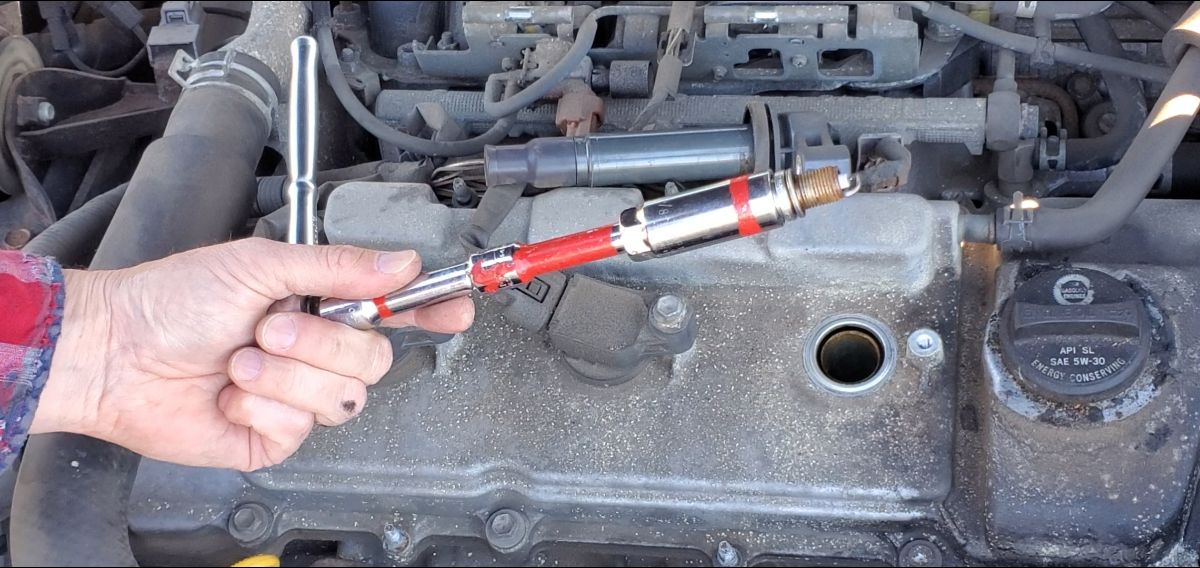
Begin by visually inspecting your spark plugs. Using a spark plug socket and a ratchet, remove the plugs. Look for the following indicators:
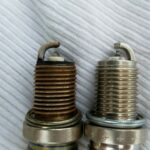
- Fouling: Check for any black, sooty deposits on the electrode and insulator. Fouling may result from oil or fuel contaminants, indicating potential issues with the engine’s performance or the ignition system.
- Corrosion: Inspect for signs of corrosion, which can manifest as rust or white, chalky deposits on the plug. Corroded plugs can cause poor electrical connections and misfires.
- Damage: Carefully inspect the porcelain insulator for cracks, chips, or other damage. Damaged spark plugs should be replaced, as they can lead to misfires and a decrease in engine performance.
- Wear: Look at the center electrode and ground electrode. If they appear excessively worn down or eroded, this can result in a weak spark and performance issues.
Spark Plug Gap
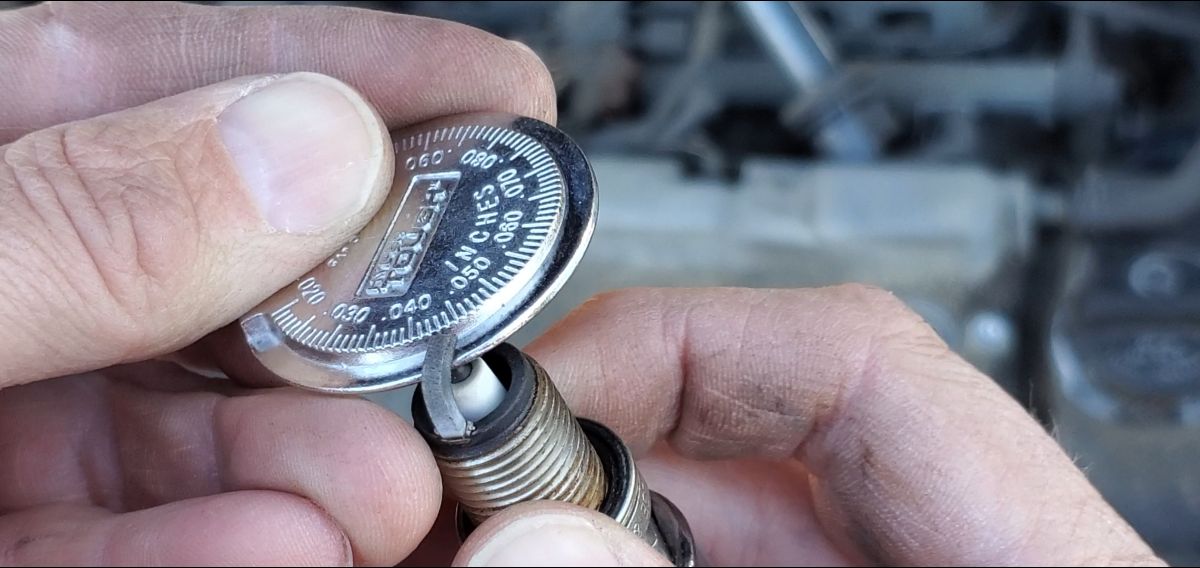
Measure the gap between the center and ground electrode of the plug. A feeler gauge or spark plug gapper should be used for this purpose. If the gap is too large or too small, it can lead to misfires. Below are some common spark plug gap values. Please note that these are general guidelines, and the recommended spark plug gap for your specific vehicle may vary depending on factors like the engine type and year of manufacture.
Toyota
- Toyota Corolla (various models): Typically, the spark plug gap ranges from 0.039 to 0.043 inches (1.0 to 1.1 mm).
- Toyota Camry (various models): The recommended spark plug gap is around 0.043 inches (1.1 mm).
Honda
- Honda Civic (various models): The recommended spark plug gap is approximately 0.044 inches (1.1 mm).
- Honda Accord (various models): The spark plug gap usually falls within the range of 0.043 to 0.047 inches (1.1 to 1.2 mm).
Subaru
- Subaru Impreza (various models): The typical spark plug gap for Subaru vehicles ranges from 0.039 to 0.043 inches (1.0 to 1.1 mm).
Nissan
- Nissan Altima (various models): The recommended spark plug gap is generally around 0.044 inches (1.1 mm).
- Nissan Sentra (various models): The spark plug gap typically falls within the range of 0.039 to 0.043 inches (1.0 to 1.1 mm).
Spark Plug Color
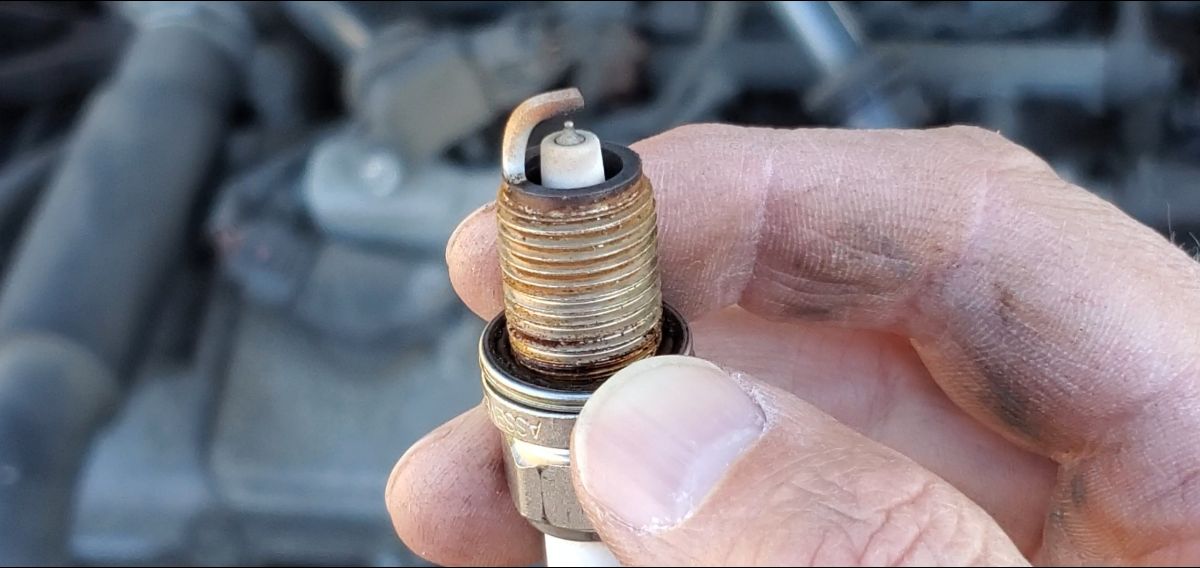
Examine the color of the spark plugs’ tips. The color and nature of the spark plug tip can tell you quite a lot about what is going on inside your cylinders. Here is a handy reference chart.
Below is a list of common colors and what they indicate.
Light Tan or Gray
- A light tan or gray color on the spark plug’s insulator and electrode is generally a sign of normal combustion.
- This color indicates that the spark plug is operating optimally and that the air-fuel mixture is well-balanced and burning efficiently.
- It’s the ideal color and suggests that the engine is in good condition.
Black
- A black, sooty appearance on the spark plug indicates that the engine is running rich, meaning there is an excess of fuel in the air-fuel mixture.
- Black deposits on the spark plug can be caused by issues like a clogged air filter, a malfunctioning fuel injector, or a problem with the ignition system.
- Addressing the underlying issue and replacing the spark plugs may be necessary if the plugs are fouled with black deposits.
White or Light Gray
- A white or light gray color on the spark plug insulator typically suggests that the engine is running too lean, meaning there’s insufficient fuel in the mixture.
- This can be a result of issues like a vacuum leak, a malfunctioning fuel pump, or a problem with the air intake system.
- Resolving the root cause of the lean condition is essential, and replacing the spark plugs may be necessary if they are fouled with white deposits.
Brown
- A light to medium brown color on the spark plug may indicate that the engine is operating correctly, with a well-balanced air-fuel mixture.
- Brown deposits can be considered normal in many cases, indicating that the engine is in good working order.
- This color may also be associated with additives in the fuel or oil that the engine uses.
Wet or Oily
- If the spark plug is wet, covered in oil, or has a greasy appearance, it can indicate that there is an issue with oil leakage into the combustion chamber.
- Oil on the spark plug can result from worn piston rings, valve guide seals, or a faulty gasket.
- Addressing the oil leakage issue and replacing the spark plugs is necessary in this case.
Glazed or Shiny
- A glazed or shiny appearance on the spark plug insulator may indicate that the plug is running too hot.
- This can happen if the heat range of the spark plug is too high for the engine or if there is pre-ignition or detonation.
- Replacing the spark plug with the appropriate heat range is necessary if it’s determined that heat is the issue.
Resistance Test
Use a multimeter to check the resistance of the spark plug wires. High resistance can lead to poor ignition.
Conclusion
Don’t suffer from bad spark plugs any longer than you have to. They’re relatively inexpensive (~$7 per plug), and depending on your vehicle, are often easy to replace (at least the front ones!). Good luck and thanks for reading.